
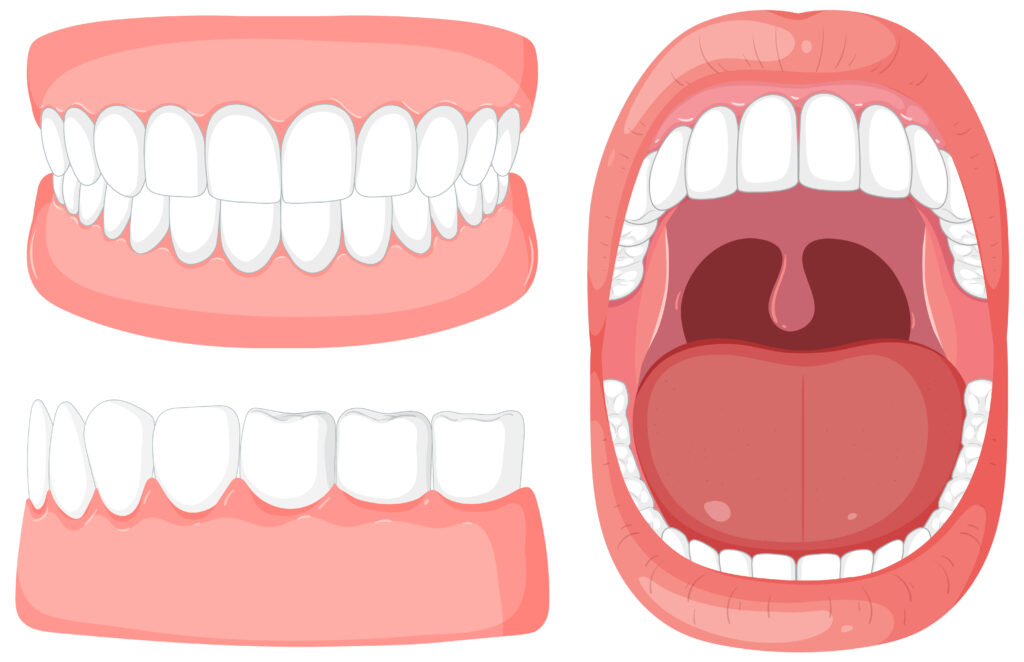
Dry Mouth AECS Layout
That parched, sticky feeling in your mouth might seem like a minor annoyance, but persistent dry mouth can lead to real dental problems if left unaddressed. Many patients visiting Ivory Dental Solutions from AECS Layout, Brookefield, ITPL, and Whitefield describe waking up with a dry throat, struggling to swallow comfortably, or noticing more cavities than usual — all of which can trace back to reduced saliva flow.
This blog explains what causes dry mouth, why it matters for your oral health, and practical steps AECS Layout residents can take to find lasting relief.
What Is Dry Mouth?
Dry mouth, medically known as xerostomia, occurs when your salivary glands don’t produce enough saliva to keep your mouth adequately moist. Saliva plays a far bigger role than most people realize — it helps:
- Wash away food particles and bacteria
- Neutralize acids produced by plaque
- Aid in digestion by breaking down food
- Protect enamel by delivering minerals like calcium and phosphate
- Make it easier to speak, chew, and swallow comfortably
When saliva production drops, your mouth loses much of its natural defense system, leaving teeth and gums more vulnerable to decay and infection.
Common Causes of Dry Mouth
1. Medications
Hundreds of common medications — including antihistamines, blood pressure medications, antidepressants, and painkillers — list dry mouth as a side effect. If you’ve recently started a new medication and noticed dryness, this is often the culprit.
2. Dehydration
Simply not drinking enough water, especially in Bangalore’s warmer months, can reduce saliva production. This is one of the most easily correctable causes.
3. Mouth Breathing
Chronic mouth breathing, whether from nasal congestion, allergies, or habit, dries out the oral tissue far more than nasal breathing.
4. Diabetes
As covered in our related blog on diabetes and dental health, uncontrolled blood sugar is a common contributor to reduced saliva flow.
5. Autoimmune Conditions
Conditions like Sjögren’s syndrome directly target the salivary glands, significantly reducing saliva output.
6. Smoking, Vaping, and Alcohol Use
Tobacco and alcohol both have drying effects on oral tissue, and vaping in particular has been linked to noticeable oral dryness in younger patients.
7. Aging
Saliva production naturally tends to decrease with age, and older adults are also more likely to be on medications that contribute to dryness.
8. Radiation or Chemotherapy Treatment
Cancer treatments affecting the head and neck area can damage salivary glands, sometimes causing long-term or permanent dry mouth.
Why Dry Mouth Is More Than Just Uncomfortable
Beyond the obvious discomfort, chronic dry mouth significantly raises your risk of:
- Cavities — without saliva to neutralize acids, tooth decay accelerates
- Gum disease — reduced saliva allows harmful bacteria to build up more easily along the gumline
- Bad breath — dry conditions allow odor-causing bacteria to thrive
- Difficulty wearing dentures — saliva helps dentures stay comfortably in place
- Mouth sores and cracked lips — due to lack of natural lubrication
- Altered taste — some patients notice food tastes different when saliva flow is low
- Increased risk of oral infections, including fungal infections like oral thrush
Signs You May Be Dealing with Dry Mouth
- A sticky, dry feeling in the mouth or throat
- Frequent thirst, even after drinking water
- Difficulty chewing, swallowing, or speaking
- A dry, rough tongue
- Cracked lips or sores at the corners of the mouth
- Bad breath that doesn’t improve with brushing
- A burning sensation in the mouth
- Increased cavities during recent dental visits
How to Manage and Relieve Dry Mouth
1. Stay Consistently Hydrated
Sipping water throughout the day, rather than drinking large amounts infrequently, helps maintain a more consistent moisture level in the mouth.
2. Chew Sugar-Free Gum or Suck on Sugar-Free Lozenges
This stimulates saliva production naturally, offering relief without the cavity risk that comes from sugary alternatives.
3. Use a Humidifier at Night
If you notice dry mouth is worse in the mornings, a humidifier in your bedroom can help, especially if mouth breathing during sleep is a contributing factor.
4. Avoid Caffeine, Alcohol, and Tobacco
All three have a drying effect on oral tissue and can worsen existing dry mouth symptoms.
5. Review Your Medications with Your Doctor
If you suspect a medication is causing dry mouth, don’t stop taking it on your own — instead, discuss alternatives or solutions with your prescribing doctor.
6. Use Saliva Substitutes or Specialized Oral Rinses
Your dentist can recommend saliva-stimulating products or moisturizing oral rinses specifically designed for chronic dry mouth.
7. Practice Extra Diligent Oral Hygiene
Since dry mouth increases cavity risk, brushing with fluoride toothpaste, flossing daily, and using an alcohol-free mouthwash becomes even more important.
8. Breathe Through Your Nose When Possible
If allergies or congestion are causing mouth breathing, addressing the underlying issue can significantly reduce dryness.
When to See a Dentist About Dry Mouth
If dry mouth persists for more than a few weeks despite hydration and lifestyle adjustments, it’s worth having it evaluated. A dentist can check for early signs of decay caused by reduced saliva, assess your risk factors, and recommend targeted treatments such as prescription saliva stimulants or specialized fluoride treatments to protect your enamel.
Why AECS Layout Residents Trust Local Dental Care for Dry Mouth Management
Dry mouth is a condition that benefits from ongoing monitoring rather than a single visit — your dentist needs to track how your teeth are responding over time, especially if medication changes or underlying health conditions are involved. Because Ivory Dental Solutions is conveniently based on ITPL Main Road in Brookefield, patients from AECS Layout, Kundanahalli, and Whitefield can maintain the regular follow-ups that effective dry mouth management requires.
If you’re dealing with ongoing dryness, bad breath, or an increase in cavities, our Preventive Dentistry team can assess the underlying cause and build a personalized care plan to protect your teeth and restore comfort.
Conclusion
Dry mouth is far more than a passing inconvenience — left unmanaged, it can accelerate tooth decay, gum disease, and oral infections. Whether it’s caused by medication, dehydration, mouth breathing, or an underlying health condition, understanding the root cause is the first step toward relief. For residents of AECS Layout, ITPL, Brookefield, and Whitefield, staying hydrated, practicing diligent oral hygiene, and scheduling regular dental check-ups can go a long way in keeping dry mouth — and its complications — under control.
If dry mouth has been bothering you, don’t wait for it to lead to cavities or gum problems. Reach out to Ivory Dental Solutions in Brookefield to discuss relief options tailored to your specific cause.
Frequently Asked Questions
- Is dry mouth a serious condition?
On its own, occasional dry mouth isn’t usually serious, but chronic dry mouth significantly raises your risk of cavities, gum disease, and oral infections, so it shouldn’t be ignored. - Can drinking more water completely cure dry mouth?
It helps with dehydration-related dry mouth, but if the cause is medication, an underlying health condition, or salivary gland dysfunction, water alone may not fully resolve the issue. - Does dry mouth increase the risk of cavities?
Yes. Saliva helps neutralize acids and wash away food particles, so reduced saliva flow allows bacteria and acids to damage enamel more easily. - Can vaping cause dry mouth?
Yes, vaping has been associated with reduced saliva flow and oral dryness, in addition to other oral health effects like gum irritation. - What products can help with chronic dry mouth? Sugar-free gum, saliva substitute sprays or gels, alcohol-free mouthwashes, and staying well hydrated can all help manage symptoms; your dentist can recommend specific products for your situation.
- Where can I get dry mouth evaluated near AECS Layout?
Ivory Dental Solutions, located on ITPL Main Road in Brookefield, offers assessments for dry mouth and is easily accessible to patients from AECS Layout, ITPL, and Whitefield.