
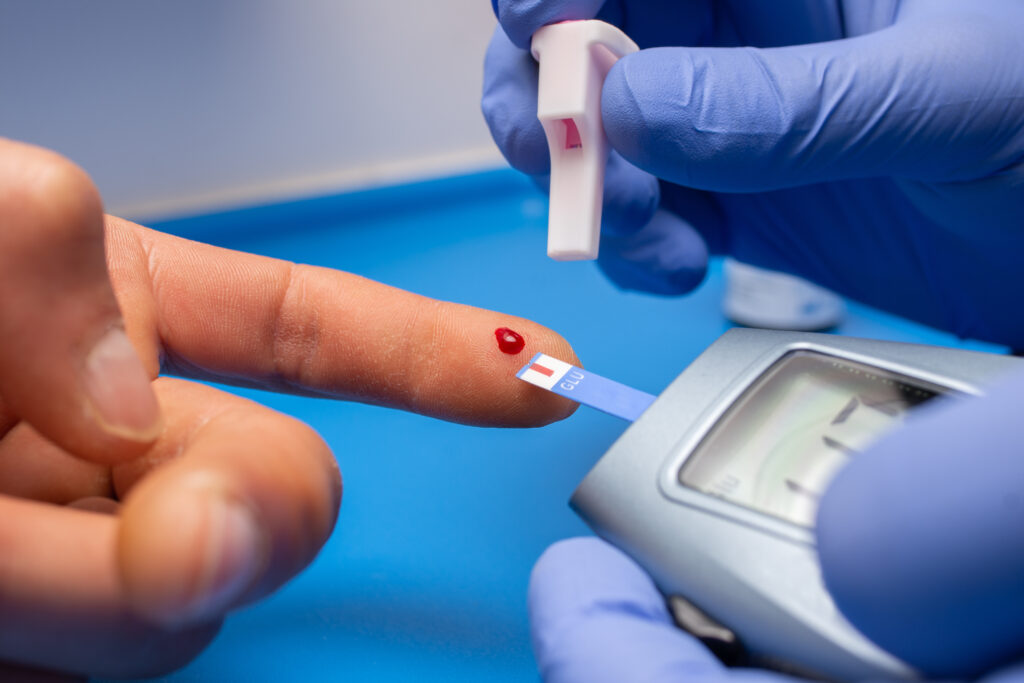
Diabetes and Dental Health AECS Layout
Diabetes affects nearly every system in the body, and the mouth is no exception. If you’re living with diabetes and reside in AECS Layout, Brookefield, ITPL, or Whitefield, understanding the link between diabetes and dental health can help you avoid painful complications and protect your long-term wellbeing. At Ivory Dental Solutions in Brookefield, we regularly see how blood sugar control and oral health influence each other — and how proactive dental care makes a measurable difference for our diabetic patients.
This blog explains the two-way relationship between diabetes and oral health, warning signs to watch for, and practical steps residents of AECS Layout can take to protect their smile.
Why Diabetes and Dental Health Are Closely Linked
Diabetes reduces the body’s ability to fight infection and slows the healing process. Since the mouth is constantly exposed to bacteria from food, saliva, and plaque, people with diabetes are significantly more prone to oral infections than those without the condition.
At the same time, gum disease itself can make blood sugar harder to control, creating a cycle where:
- High blood sugar → weakens the immune response in the gums → increases risk of gum infection
- Gum infection → triggers inflammation → makes insulin less effective → raises blood sugar further
This is why dentists and physicians increasingly recommend that diabetic patients treat their oral health as a core part of diabetes management, not a separate concern.
Common Dental Problems Linked to Diabetes
1. Gum Disease (Periodontal Disease)
Diabetic patients face a higher risk of gingivitis progressing into periodontitis, a more severe gum infection that can lead to tooth loss if untreated. Elevated blood sugar creates an environment where harmful bacteria thrive more easily along the gumline.
2. Dry Mouth
Diabetes can reduce saliva production, leading to dry mouth. Since saliva helps wash away food particles and neutralize acids, reduced saliva flow increases the risk of cavities, bad breath, and oral infections.
3. Delayed Healing
After procedures like extractions or implants, diabetic patients often experience slower healing times, making it especially important to have blood sugar well-managed before and after dental treatment.
4. Fungal Infections (Oral Thrush)
Elevated sugar levels in saliva can encourage the growth of Candida, the fungus responsible for oral thrush, especially in patients whose diabetes is poorly controlled.
5. Burning Mouth Sensation
Some diabetic patients report a persistent burning feeling on the tongue or inside the mouth, often linked to nerve changes associated with long-term high blood sugar.
Warning Signs Diabetic Patients in AECS Layout Should Watch For
- Gums that bleed easily during brushing or flossing
- Gums that appear red, swollen, or pulled away from the teeth
- Persistent bad breath or a bad taste in the mouth
- Loose permanent teeth
- Dry mouth or a burning sensation
- Slow-healing sores or ulcers inside the mouth
- Frequent infections or abscesses
If you notice any of these symptoms, it’s important not to delay a dental visit — early intervention prevents small issues from becoming major complications.
How to Protect Your Oral Health If You Have Diabetes
1. Keep Blood Sugar as Stable as Possible
Well-controlled blood sugar significantly reduces your risk of gum disease and other oral complications. Coordinating with both your physician and dentist ensures your treatment plans support each other.
2. Brush and Floss Diligently
Diabetic patients should brush at least twice a day with fluoride toothpaste and floss daily to reduce plaque buildup, which is more dangerous when the immune system is already compromised.
3. Schedule More Frequent Dental Visits
While a general recommendation is a check-up every six months, many dentists suggest diabetic patients visit every three to four months for more frequent monitoring and professional cleanings.
4. Stay Hydrated
Since dry mouth is common with diabetes, drinking water regularly and using saliva-stimulating products (as recommended by your dentist) can help protect your teeth and gums.
5. Inform Your Dentist About Your Diabetes Management
Always let your dental team know your current blood sugar control, medications, and any recent complications. This allows your dentist to time procedures safely and monitor healing more closely.
6. Don’t Delay Treatment for Existing Issues
Because diabetic patients heal more slowly, catching and treating gum disease, cavities, or infections early is far more effective than waiting until symptoms worsen.
Why AECS Layout Residents Choose Local, Consistent Dental Care
Managing diabetes already requires regular appointments — blood tests, physician visits, and lifestyle monitoring. Adding a distant dental clinic to that routine often means visits get postponed, which is risky for diabetic patients specifically. Because Ivory Dental Solutions is based in Brookefield on ITPL Main Road, patients from AECS Layout, Kundanahalli, and Whitefield can maintain the more frequent dental visits diabetes management calls for, without the added burden of long commutes.
For patients dealing with gum sensitivity, bleeding, or early signs of periodontal disease, our General Procedures and Preventive Dentistry services are designed to catch problems early and keep your oral health aligned with your broader diabetes management plan.
What to Expect During a Dental Visit as a Diabetic Patient
When you visit Ivory Dental Solutions, our team will typically:
- Review your current blood sugar levels and diabetes medications
- Conduct a thorough gum health assessment, checking for early signs of periodontal disease
- Recommend a personalized cleaning schedule based on your risk level
- Advise on home care routines tailored to reduce dry mouth and bacterial buildup
- Coordinate timing of any surgical procedures with your blood sugar control for safer healing
This collaborative approach helps ensure that dental treatment supports — rather than complicates — your overall diabetes management.
Conclusion
The connection between diabetes and dental health is well-documented, and it runs in both directions: poorly controlled blood sugar increases the risk of gum disease, and untreated gum disease can make blood sugar harder to manage. For residents of AECS Layout, ITPL, Brookefield, and Whitefield living with diabetes, staying proactive with dental visits, daily oral hygiene, and open communication with both your dentist and physician is one of the most effective ways to protect your smile and your overall health.
If it’s been more than six months since your last dental visit, or if you’re noticing any warning signs like bleeding gums or dry mouth, reach out to Ivory Dental Solutions in Brookefield to schedule an assessment tailored to your needs as a diabetic patient.
Frequently Asked Questions
- Why are diabetic patients more prone to gum disease? High blood sugar weakens the immune system’s ability to fight off bacteria, making the gums more vulnerable to infection and slower to heal once infection sets in.
- How often should a diabetic patient visit the dentist? While every patient’s needs differ, many diabetic patients benefit from dental visits every three to four months rather than the standard six-month interval, especially if gum disease is present.
- Can gum disease actually raise blood sugar levels? Yes. Inflammation caused by gum infections can interfere with the body’s ability to use insulin effectively, making blood sugar control more difficult.
- Is dry mouth common in diabetic patients?
Yes, reduced saliva production is a common symptom of diabetes, and it increases the risk of cavities, bad breath, and oral infections if not managed properly. - Is it safe for diabetic patients to get dental implants? Dental implants can be safe for diabetic patients, particularly when blood sugar is well-controlled. Your dentist will assess your individual healing capacity before recommending implant procedures.
- Where can diabetic patients near AECS Layout get specialized dental care?
Ivory Dental Solutions, located on ITPL Main Road in Brookefield, provides dental care tailored to diabetic patients and is conveniently accessible for residents of AECS Layout, ITPL, and Whitefield.